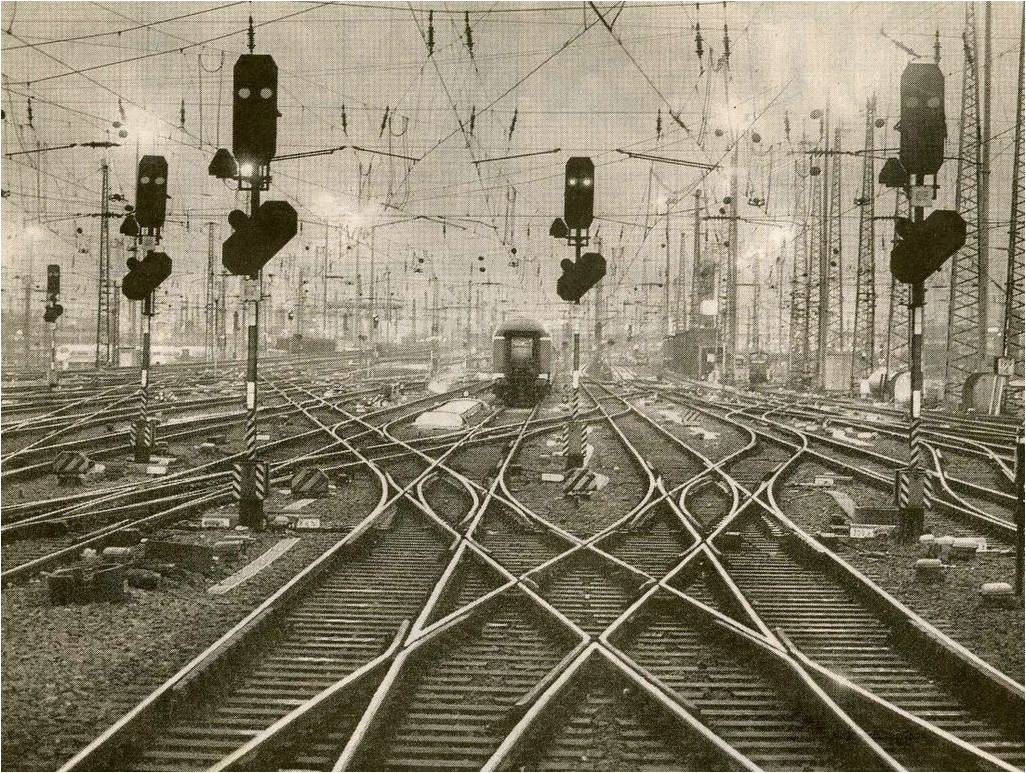









Carriage of goods by rail is considered one of the safest forms of transportation. It totally depends on the weather, it is also very cost-effective. In the carriage of goods by rail in an individual order is made financially viable route, which depends on the destination. In this regular schedule makes it possible to provide delivery on time.
YTL offers a range of services related to railway transport from Germany, UK, Poland, Italy, Austria, China any goods from 1 cbm. By rail to transport goods, equipment and materials of almost any mass.
The developed network of Railways in Russia, Europe and China allows the use of this method of transportation of goods of various types as one of the most profitable and reliable. Such transportation is particularly relevant for parties that include a large number of commodities.
The cost of railway transport to Russia largely depends on the following factors:
- the size of the load and its weight;
- distance of carriage;
- the availability of additional services (arranging transportation, preparing documentation, loading of goods).
Experts of Yugtranslogistics develop an optimal scheme of transportation to the destination based on the location of the customs post, border crossing, and other factors to minimize the cost of the customer. You will always know about the whereabouts of the goods, in addition, if required we can arrange storage at transit stations. For transportation you can use the universal platforms, gondolas and boxcars.
Delivery of goods by rail has the following advantages:
- convenience – well-developed railway network allows to deliver cargo in any point of the country;
- accessibility – has the ability to transport goods of almost any size;
- efficiency – a clear schedule allows you to comply with all conditions of transporting and deliver goods in time;
- security on railway transport is not affected by weather conditions;
- excellent ratio cost / benefit.
However, while railway transportation from Europe and China to Russia have some disadvantages: - necessity of transshipment at the border due to the gauge of Railways of different widths; - absence at many stations, customs posts and warehouses; - delays and complexity due to the movement of military goods; - the impossibility of delivery by rail directly to the customer's warehouse.